How the peel works
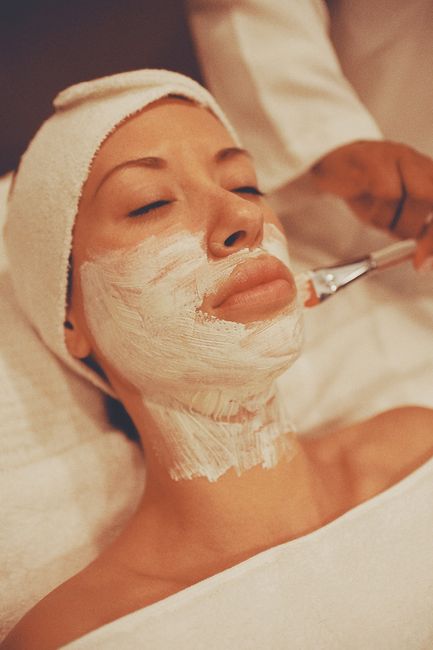
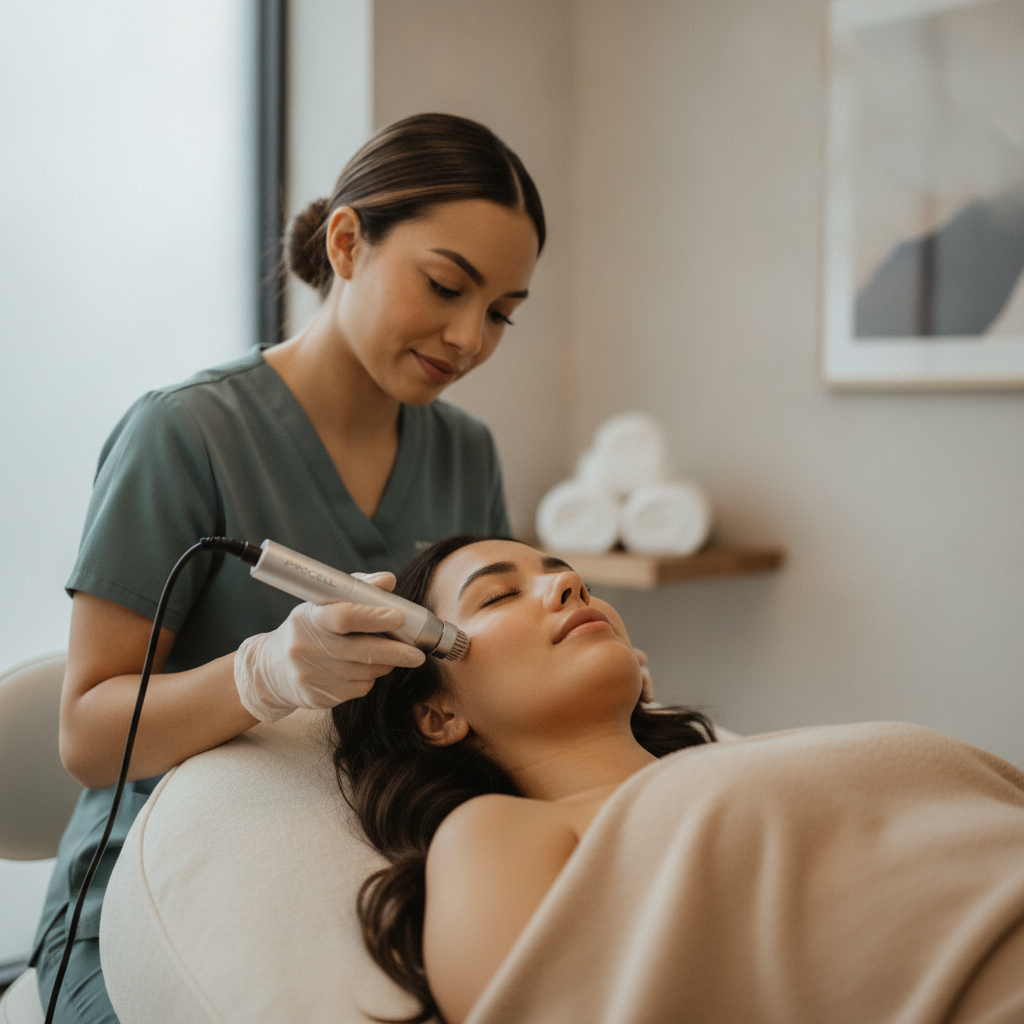
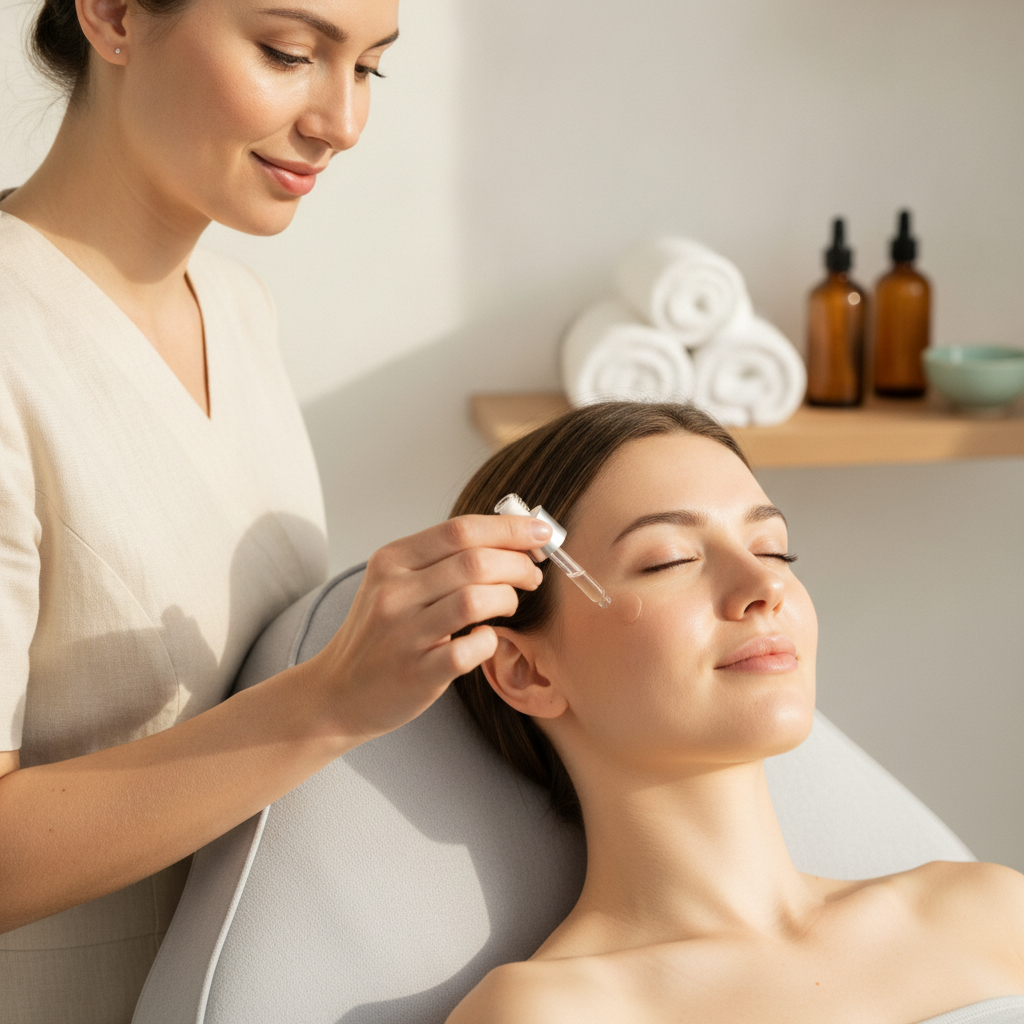
The Skin Smoothing Resurfacing Peel is a professional glycolic exfoliation that supports healthy cell turnover to address rough texture, uneven tone, and dull-looking skin. By accelerating surface cell renewal in a controlled session, the treatment helps reveal fresher skin and a more even appearance while aiming to keep interruption to daily life minimal.
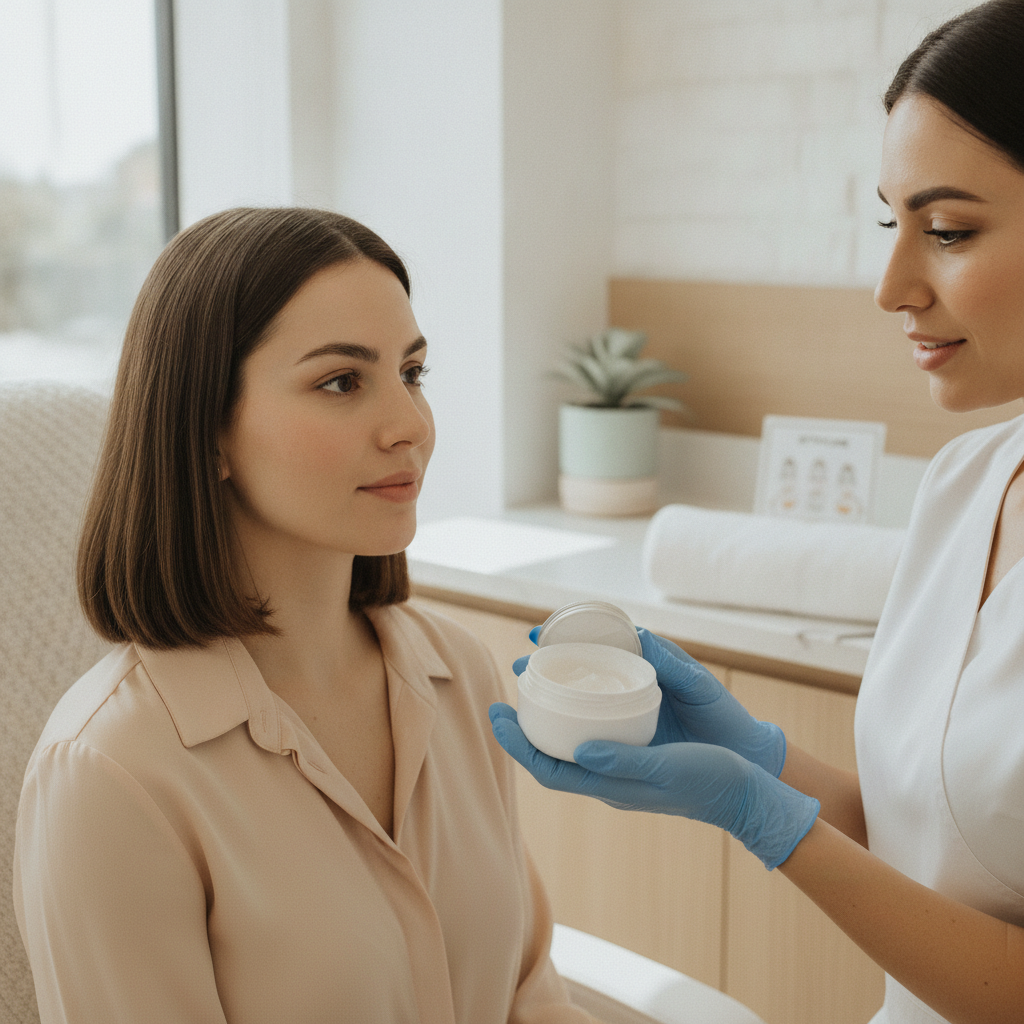
This resurfacing approach is intended as a series-based plan for best outcomes; individual sessions refresh and clarify the complexion, and multiple visits layer results over time. The peel is recommended after an initial facial visit so your aesthetician can assess skin condition and tailor the treatment to your needs and sensitivity.
What to expect during treatment
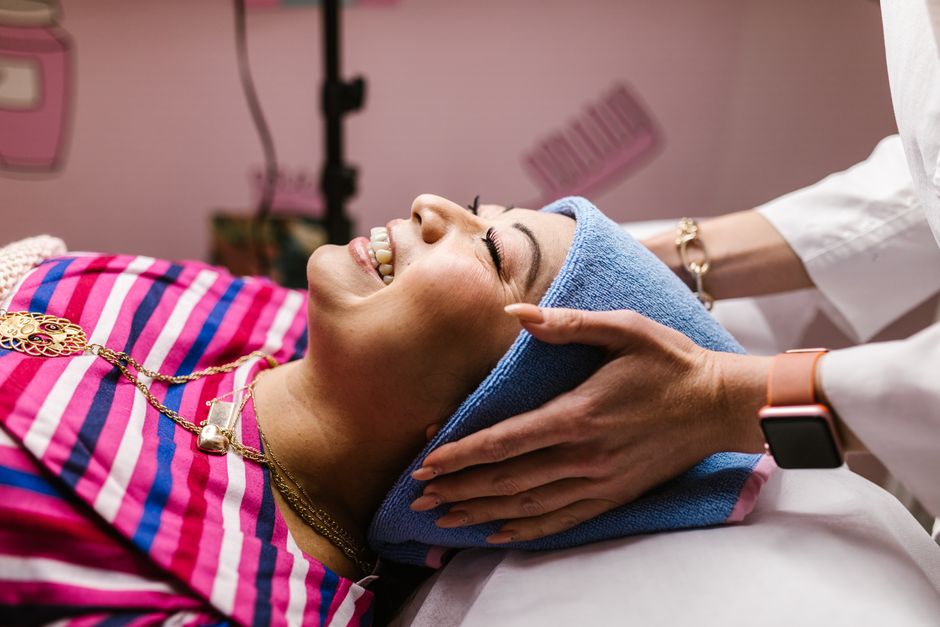
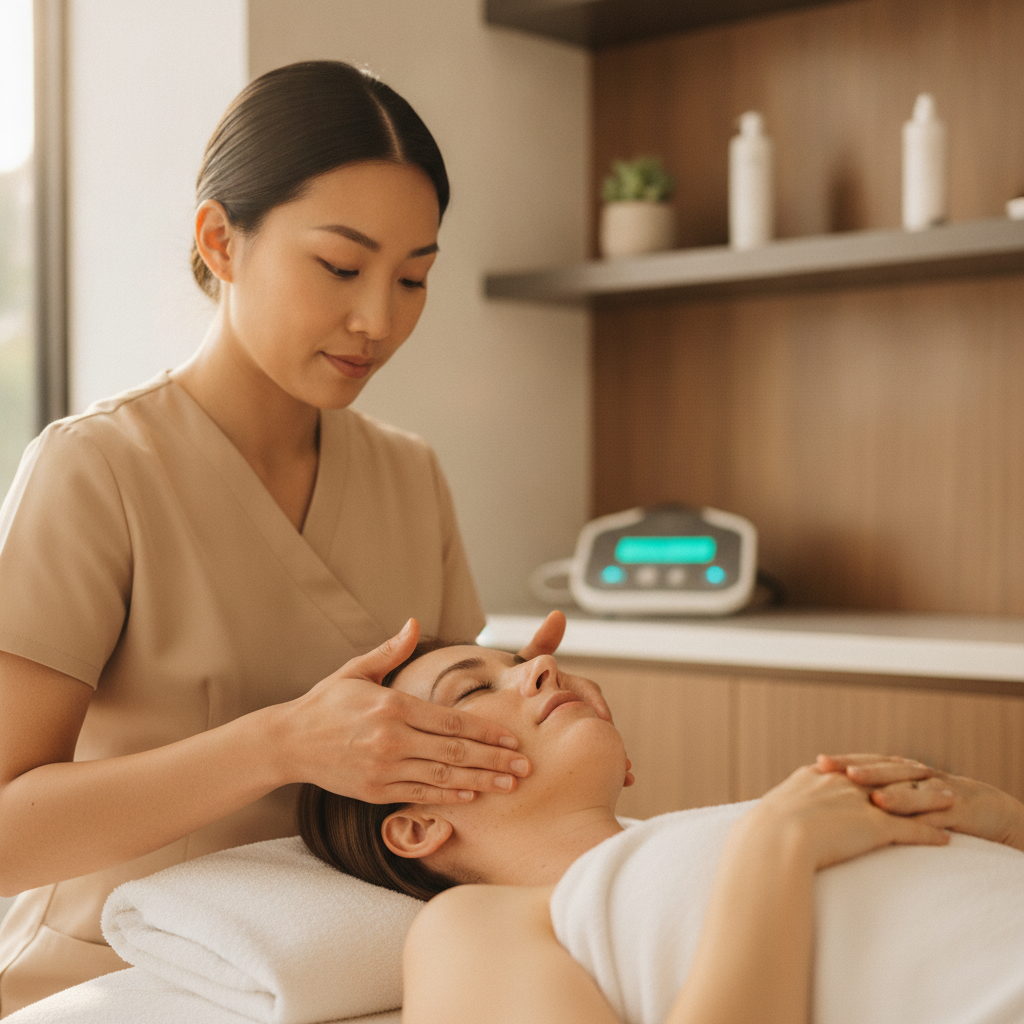
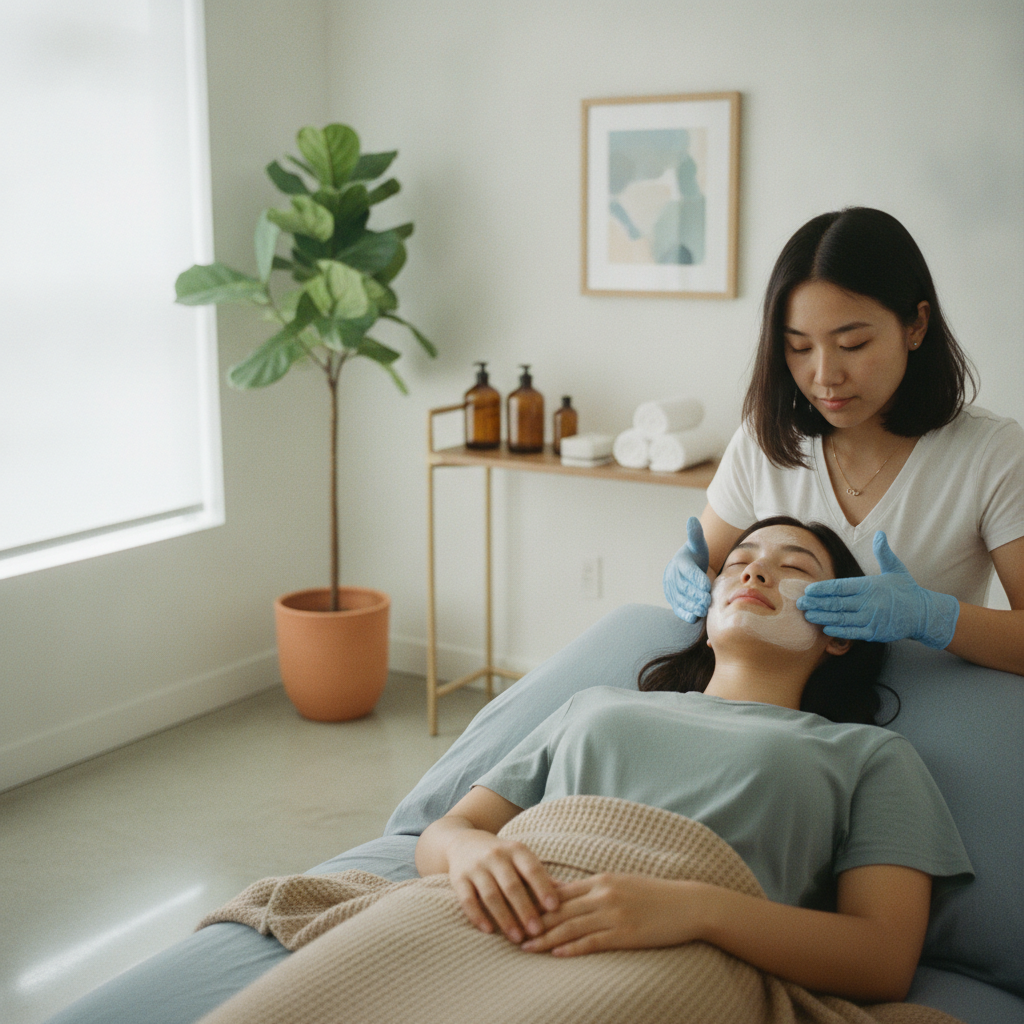
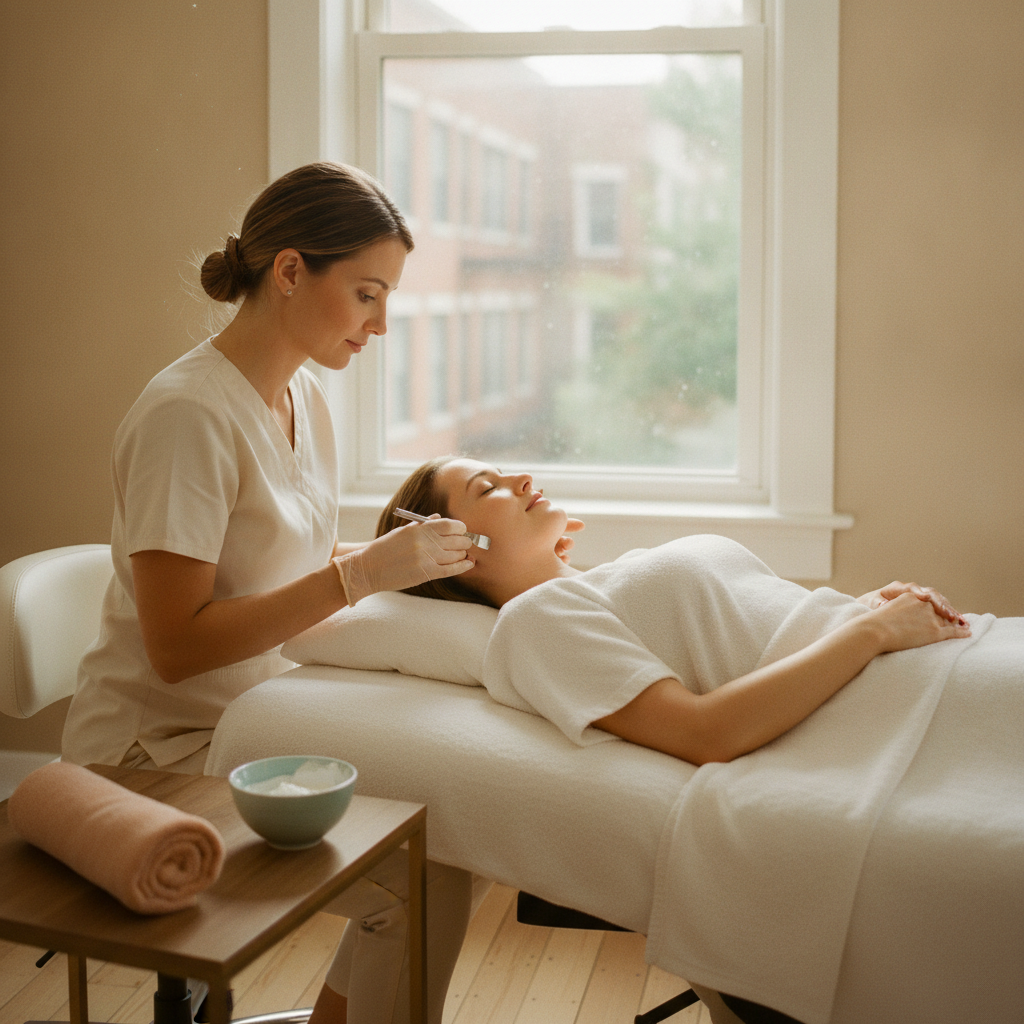
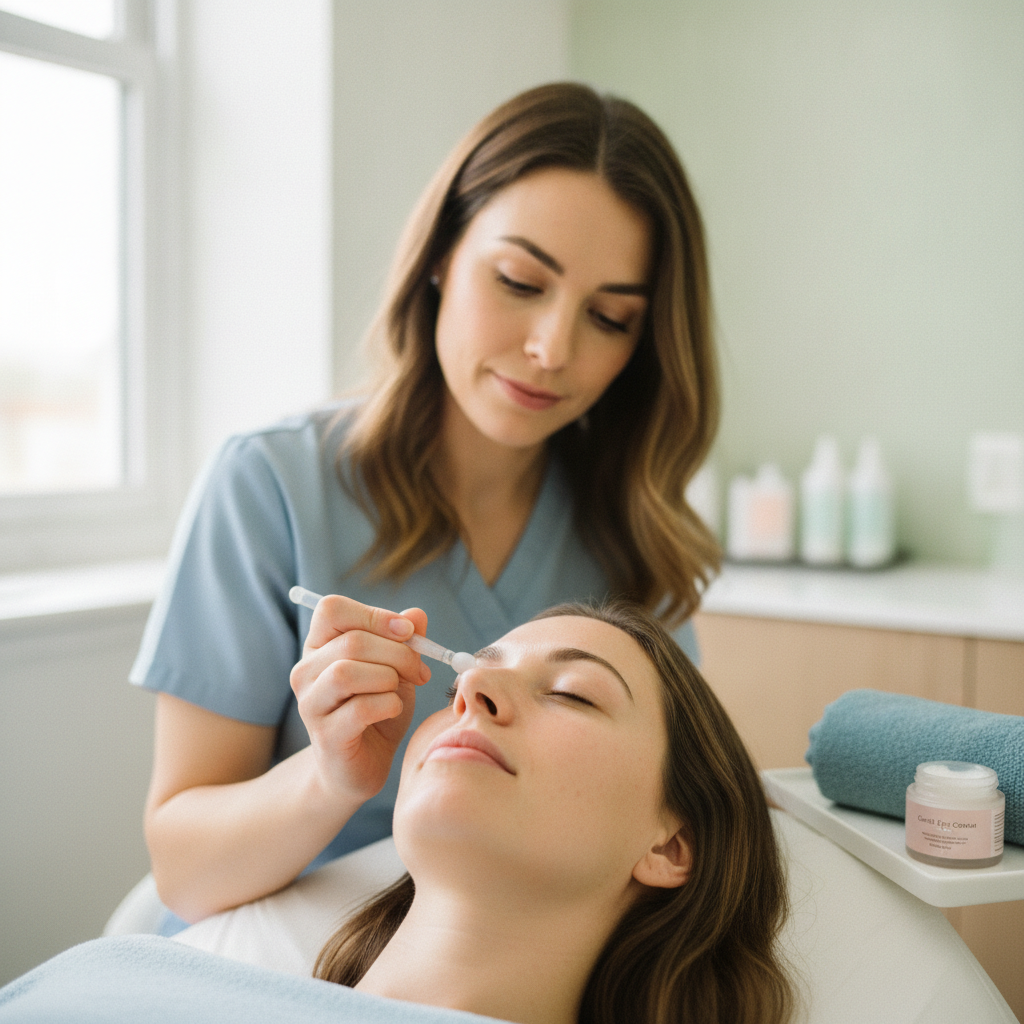
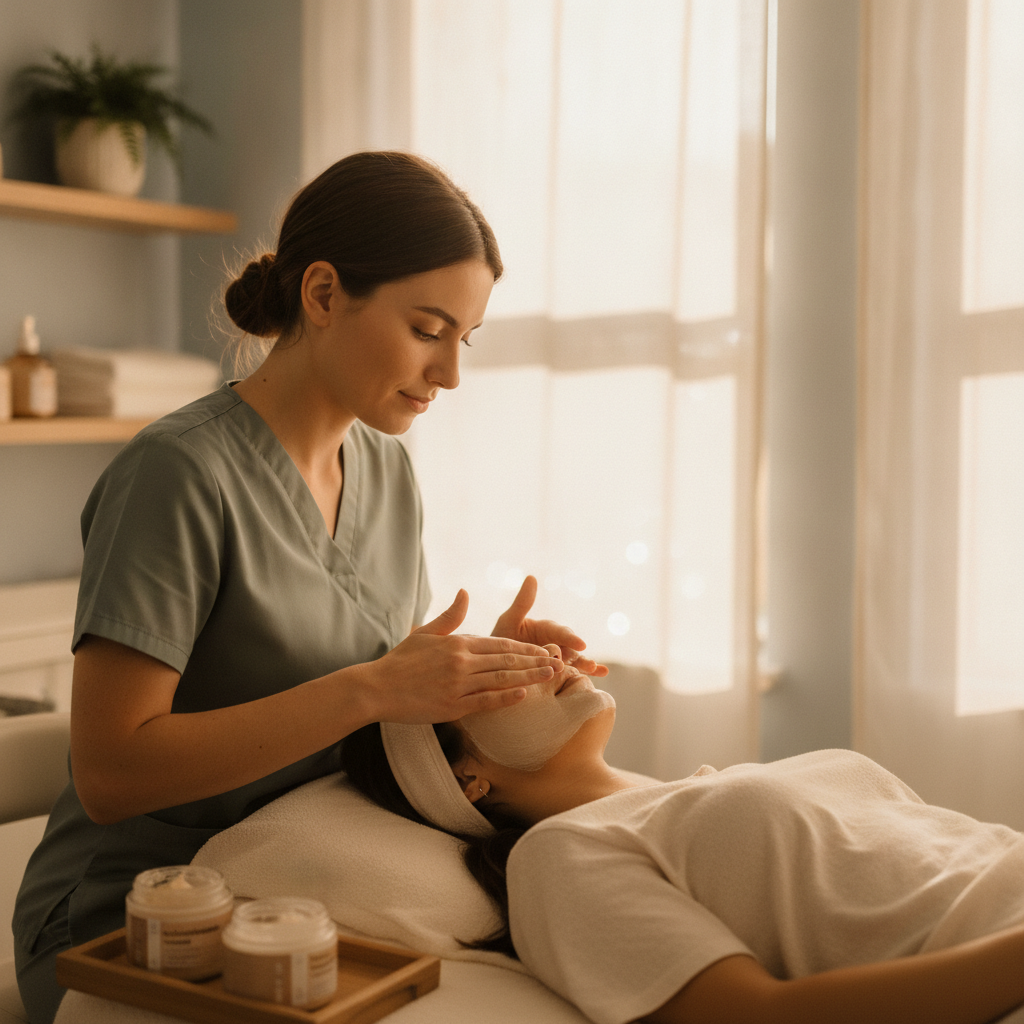
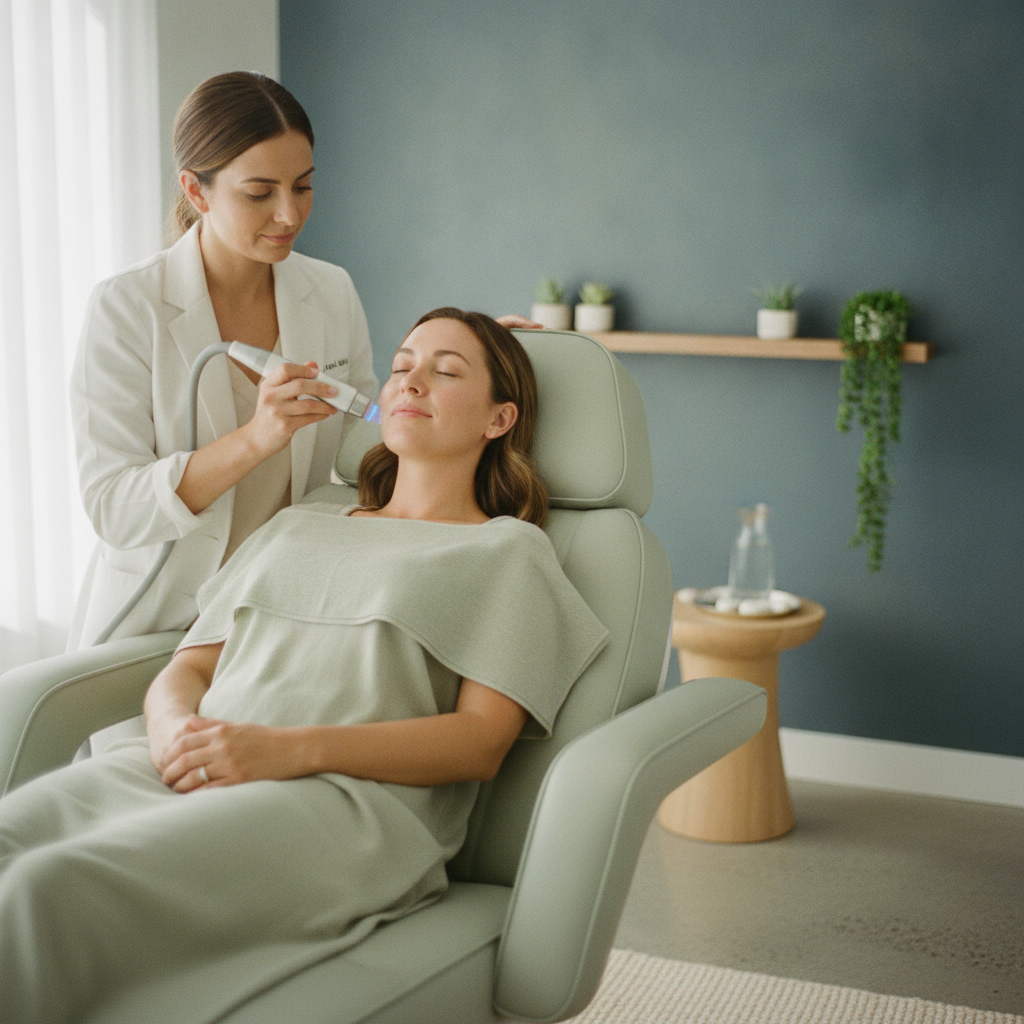
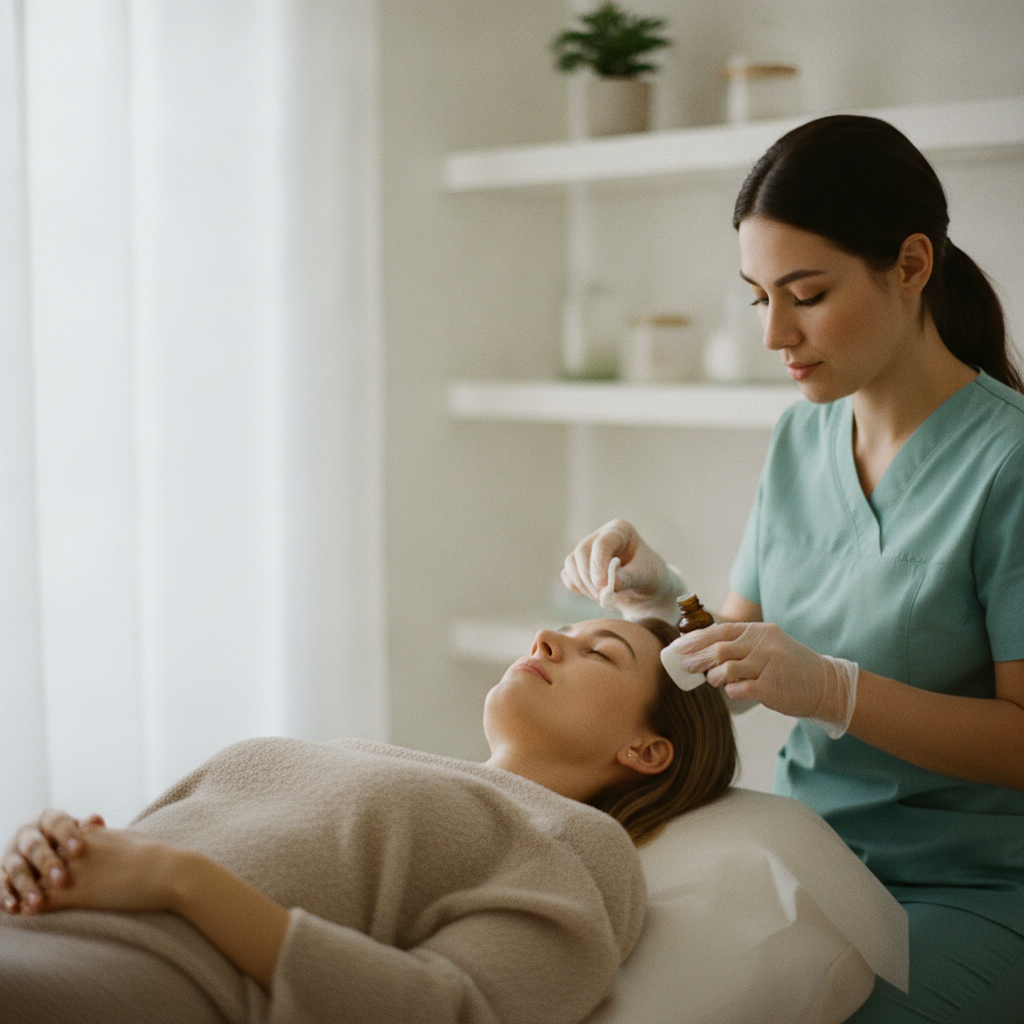
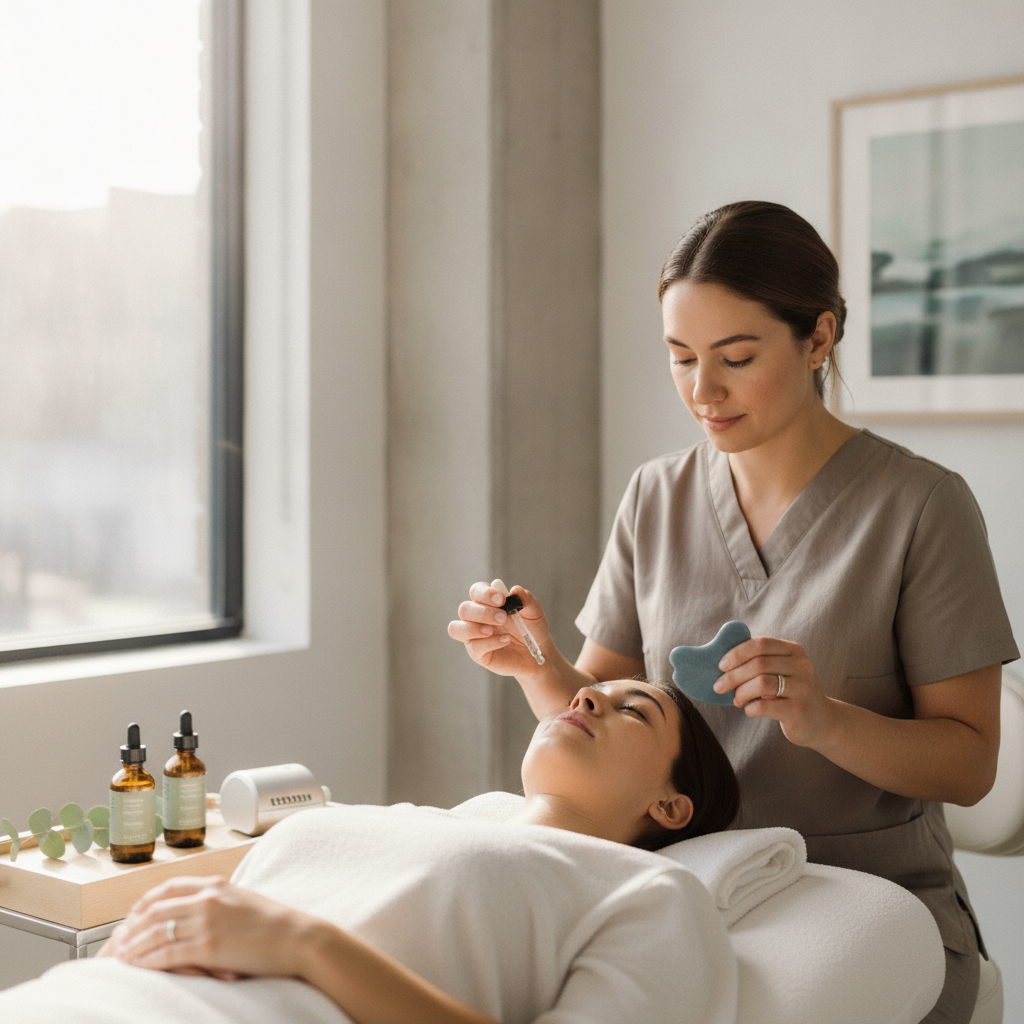
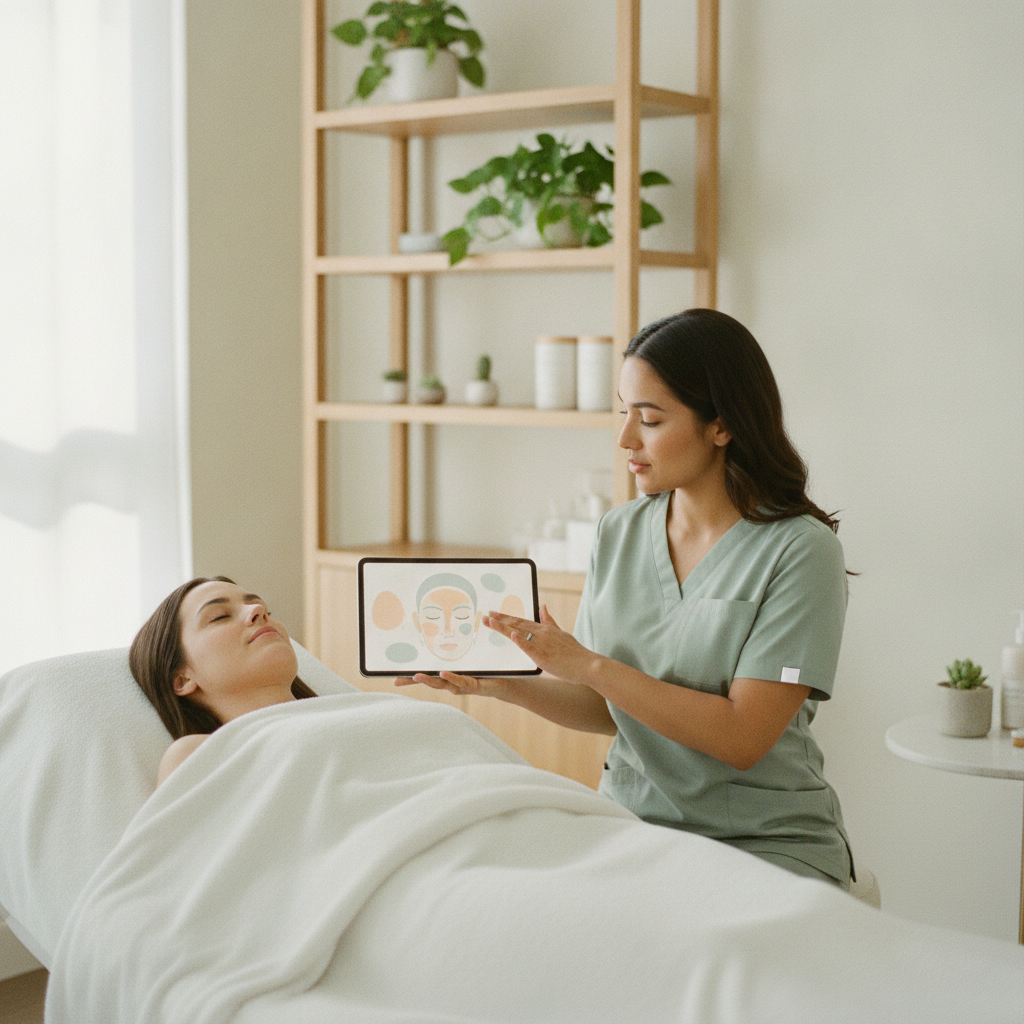
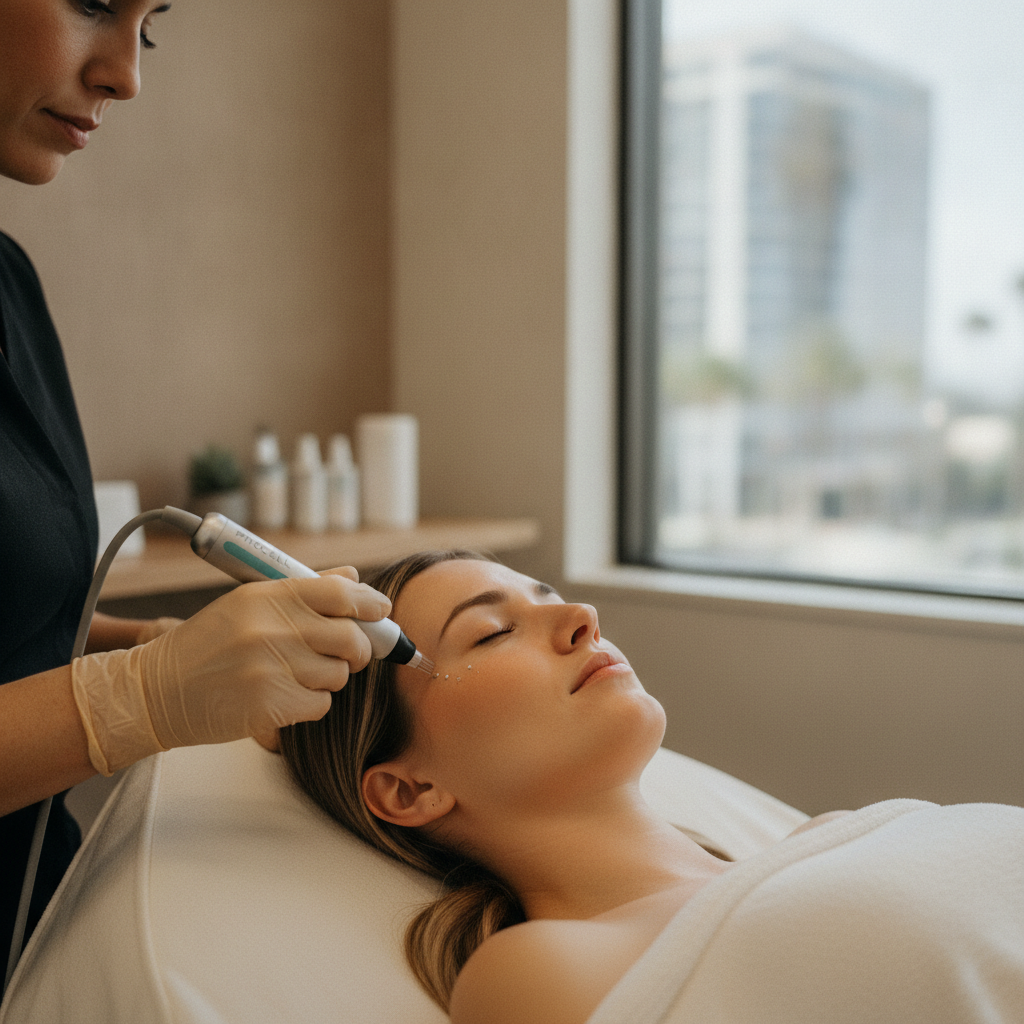
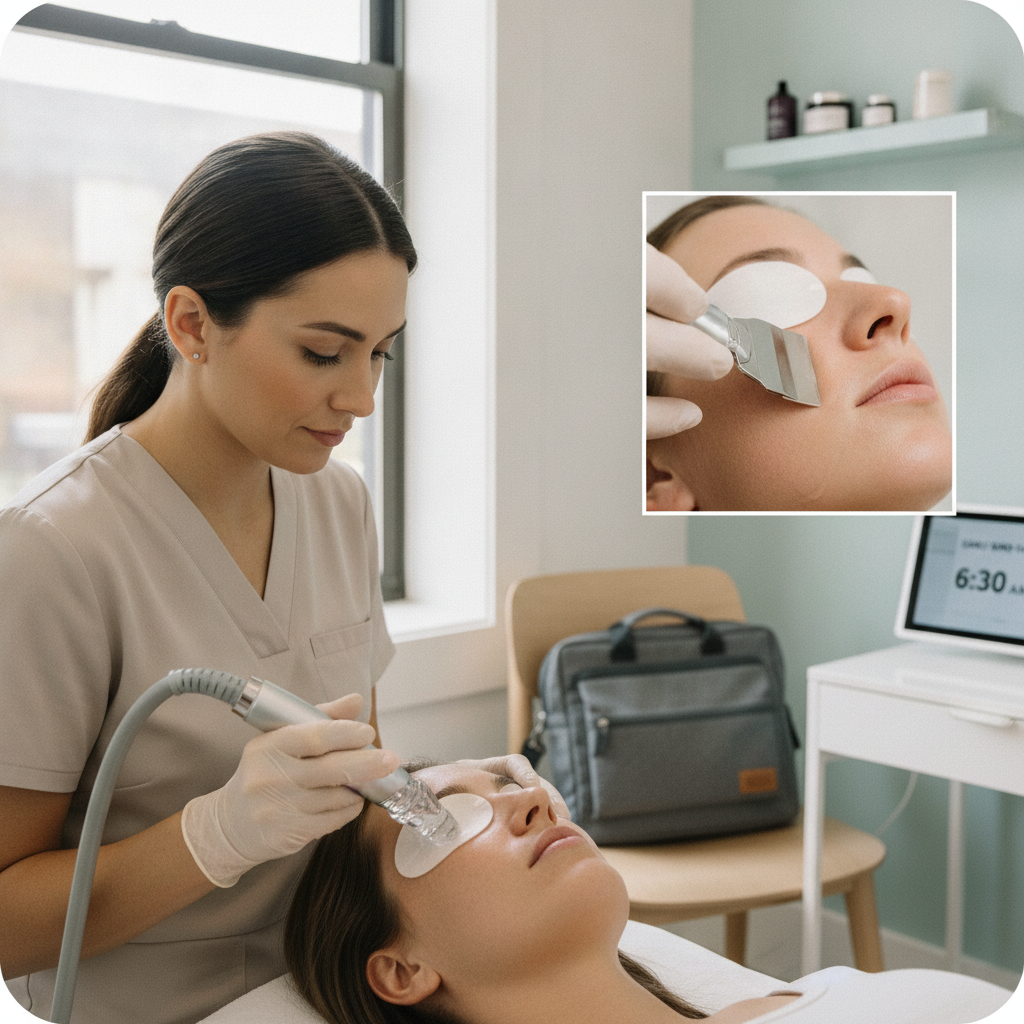
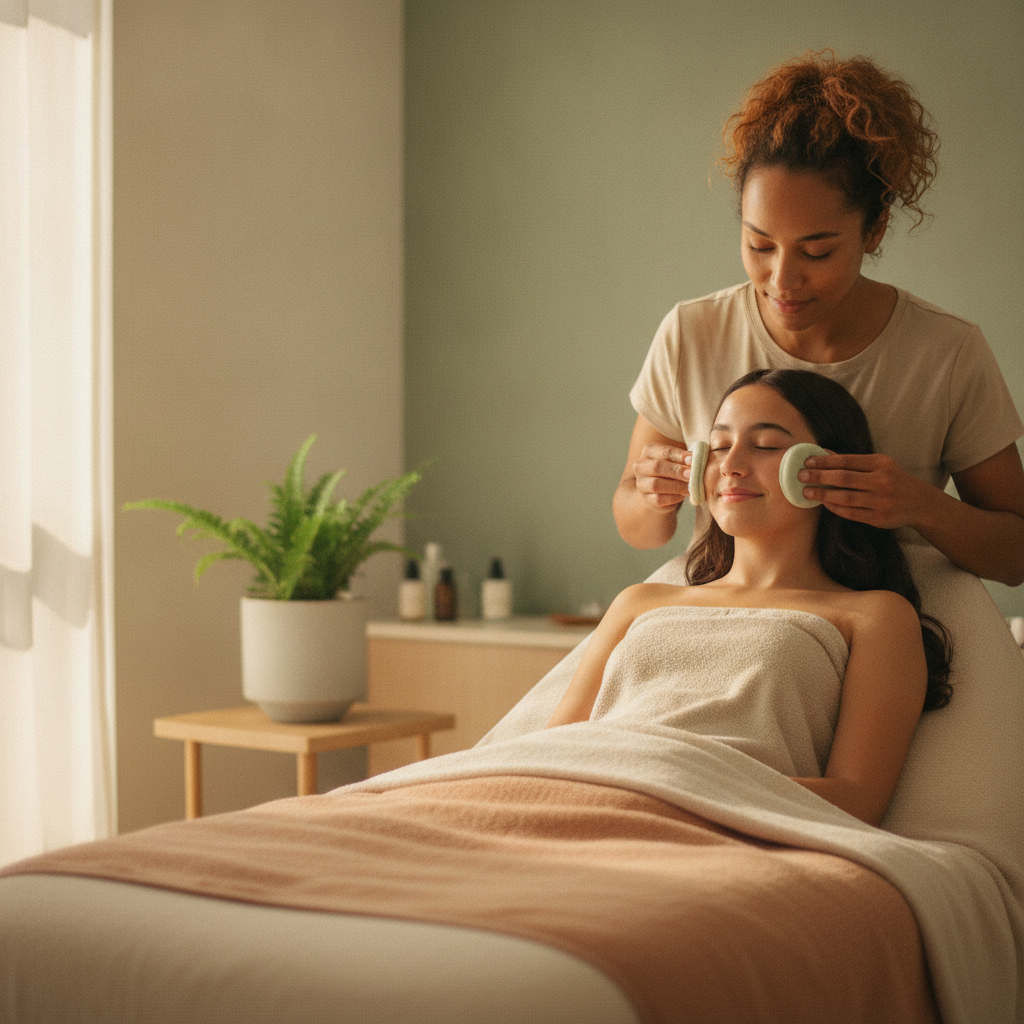
Your visit focuses on assessment and a targeted professional exfoliation. The core treatment time is typically about 45 minutes, delivered within a 60 minutes appointment that includes consultation and post-treatment guidance. The service is described by clients as an efficient, professional exfoliating treatment that refreshes dull skin and helps clear congestion.
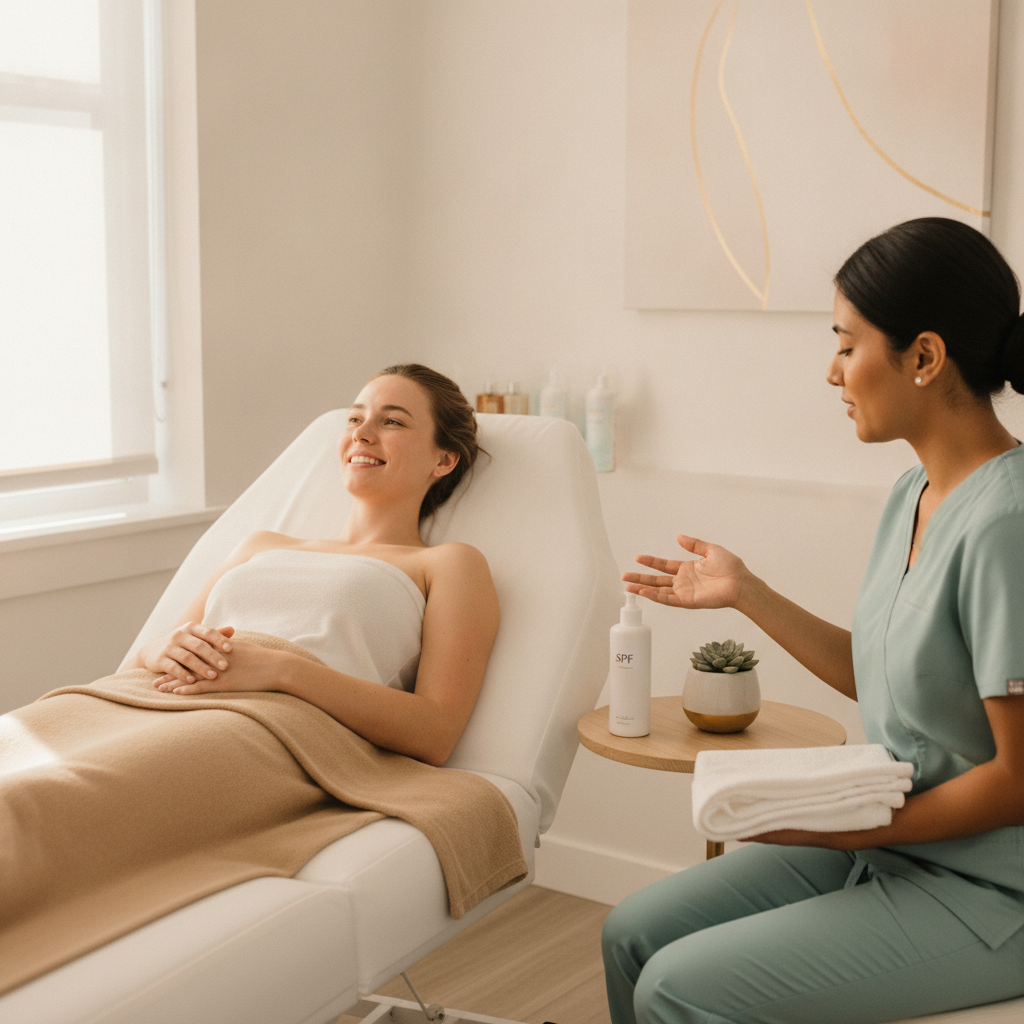
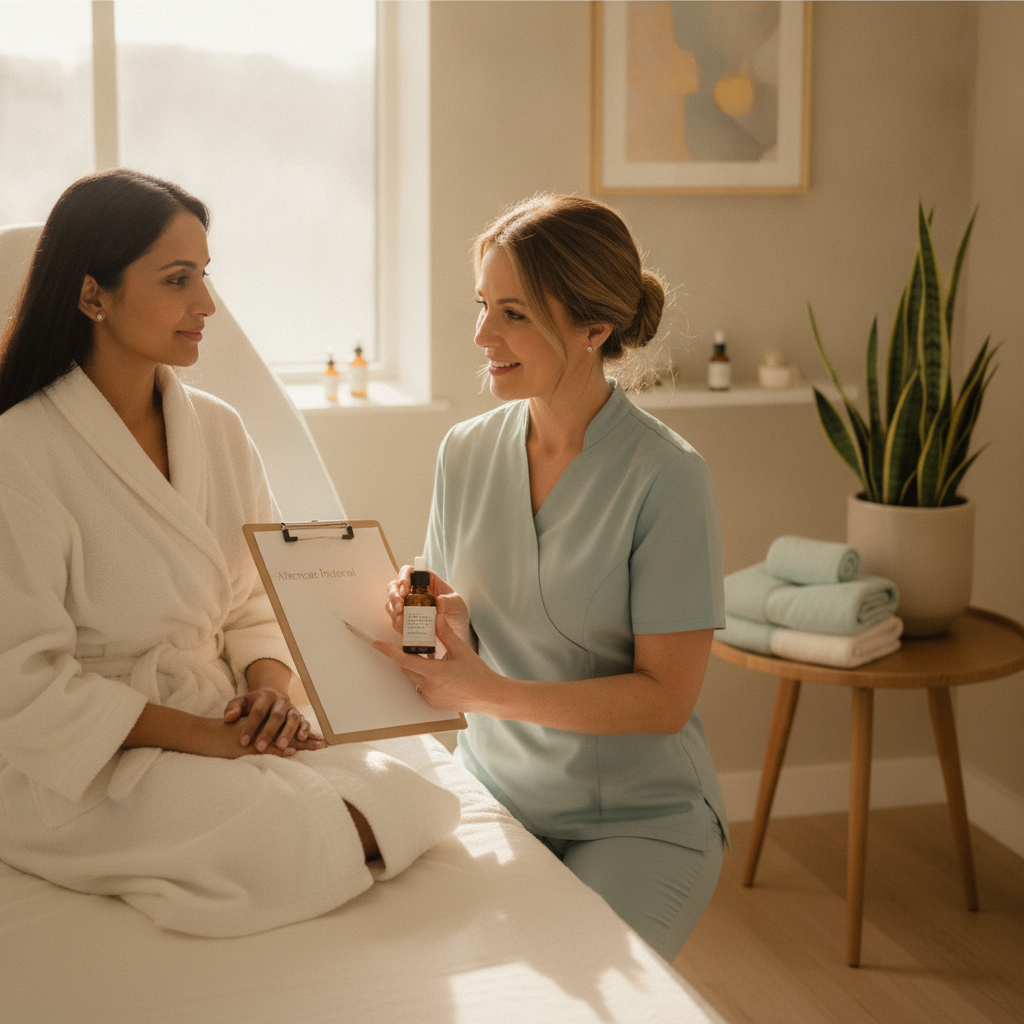
Aftercare is straightforward: your aesthetician will review home care and sun-avoidance guidance to protect results. Because San Jose has a mild Mediterranean climate, scheduling in lower-UV months often makes post-treatment sun management easier. Appointment-friendly times are available for commuters and airport-area workers who need efficient visits.
Planning and scheduling considerations
Price and appointment details are part of planning: the service fee is $275 and the appointment is scheduled for 60 minutes. Gloss Skincare recommends an initial facial visit before starting a peel series so the therapist can evaluate skin and build a tailored plan that aligns with your schedule and goals.
Best results are typically achieved in a series of treatments rather than a single session. If you work in North San Jose or commute via US 101, I-880, or State Route 87, you’ll find flexible scheduling to fit into a busy workday. Consider fall and winter months — Sep, Oct, Jan, Feb — for treatments when avoiding intense sun is simpler.